
3D Printers: Best Models, Pricing, & True Value Proposition
Generated Title: 3D Printing's Black Friday Boom: Hype or Hypergrowth?
Alright, let's cut through the Black Friday 3D printing noise. Every year it’s the same song and dance: deals, discounts, and the promise of democratized manufacturing. But is the hype justified? Or are we just seeing a temporary spike fueled by discounted filament and laser engravers?
The Black Friday Bump: A Statistical Aberration?
The Black Friday live blogs (like the one I skimmed from Future) are full of tempting deals. Creality Falcon A1 laser engravers down to $466. SUNLU silk PLA spools at a 57% discount. Bambu Lab teasing new deals. The anecdotal evidence screams "boom." But anecdotes aren't data. We need to look beyond the initial excitement and ask: does this translate to sustained growth for the 3D printing industry, or is it just a seasonal blip?
The problem is, quantifying the overall Black Friday effect on the 3D printing market is tricky. We don’t have real-time sales figures from every manufacturer and retailer. What we do have is a surge in online activity – forum posts, social media mentions, and, of course, these live blogs. We see spikes in searches for terms like "best 3d printer," "bambu lab 3d printer," and "filament 3d printer." (Which, incidentally, are terms that should probably be on your radar if you're trying to sell these things).
But here’s the rub: increased search volume doesn't automatically equal increased sales. People might be researching, adding items to their wishlists (like the one mentioned in the Future blog), but not actually pulling the trigger. The conversion rate – the percentage of researchers who become buyers – is the key metric we're missing.
And this is the part of the report that I find genuinely puzzling. Why aren't manufacturers releasing even directional sales data after Black Friday? Is it because the numbers aren't as impressive as the marketing departments would like us to believe? Or are they strategically withholding information to maintain a competitive advantage?
Beyond the Deals: Underlying Trends
Ignoring the short-term frenzy, let's look at the broader trends shaping the 3D printing landscape. Formnext 2025 (as reported elsewhere) showcased advancements in multi-color printing, continuous fiber technology, and robotics. These aren't just incremental improvements; they represent fundamental shifts in the capabilities of 3D printing. We're talking about moving beyond hobbyist tinkering to industrial-grade applications. The 20 Top New 3D Printers from Formnext 2025: Tool Changers, 6-Laser Metal, and PEEK Printing
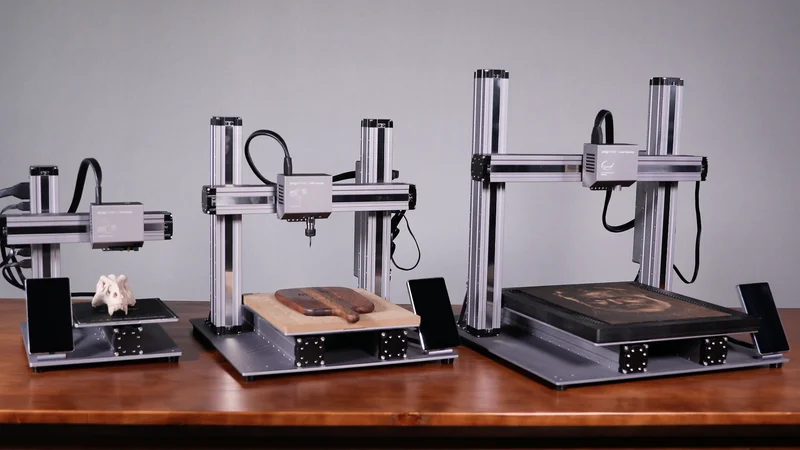
Take, for example, the Snapmaker U1, with its rapid color-switching system. It promises faster speeds and less filament waste. If those claims hold true, we could see a significant reduction in the cost per part, making 3D printing more competitive with traditional manufacturing methods.
And then there's the increasing focus on specialized materials. The article about 3D printing transparent PETG highlights the growing demand for functional parts, not just novelty items. The ability to create translucent covers for oil and gas emission monitoring equipment (the example cited) demonstrates the practical utility of 3D printing in demanding industries. Here's How You Can 3D Print Transparent Objects Out of PETG
The article also mentions someone 3D printing Joy-Con grips for the Nintendo Switch 2. While seemingly trivial, this points to a growing ecosystem of user-designed and customized products. The availability of 3D printer files and online communities fosters innovation and allows individuals to create solutions tailored to their specific needs.
But here's my methodological critique: are we accurately measuring the "maker" economy? Most of these transactions happen on decentralized platforms, outside the purview of traditional market research. We see the filament sales, but not the value of the designs themselves. And that's a significant blind spot.
So, What's the Real Story?
Black Friday provides a temporary sugar rush, but the long-term health of the 3D printing industry depends on sustained innovation, cost reduction, and real-world applications. The underlying trends are encouraging, but the lack of transparent sales data makes it difficult to separate the hype from the hypergrowth.